Top 3 Recommended Policies

Indoor soft play centers provide children and families with safe recreational spaces featuring padded structures, slides, play areas, and party facilities. These businesses must manage risks involving young guests, equipment safety, employees, property, and daily customer activities. Indoor Soft Play Insurance can help operators consider protection for the unique exposures of running a children's entertainment facility. Routeway Insurance Group works with soft play business owners to review their operations and understand insurance options that align with their facility, activities, and long-term goals.
Understanding Indoor Soft Play Businesses
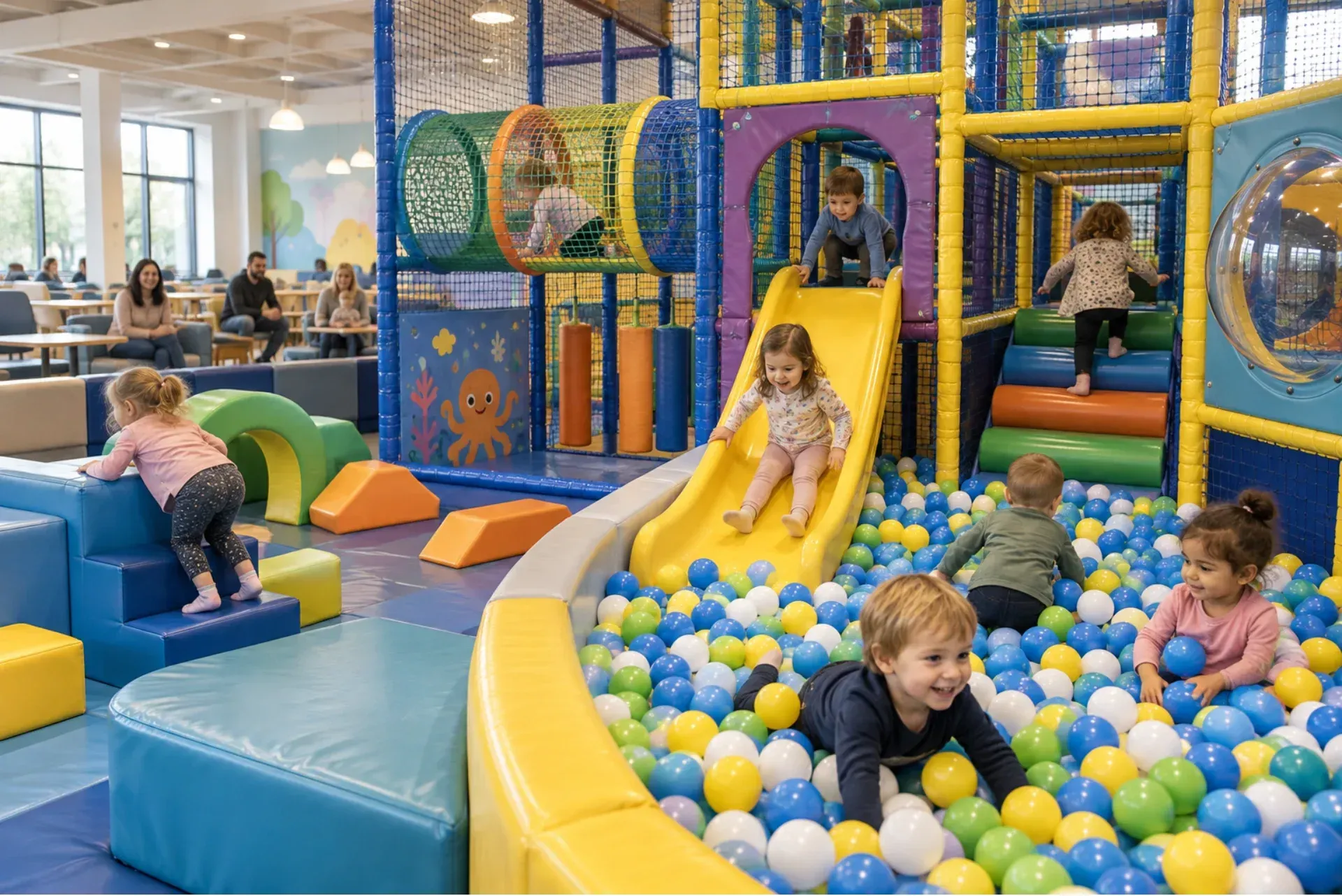
Indoor soft play centers are designed for active children and families, often combining padded play structures, slides, tunnels, climbing areas, ball pits, party rooms, and other supervised attractions. Because these facilities serve young guests in high-activity environments, operators need to manage safety, equipment condition, employee supervision, property, and customer-related risks every day. Indoor Soft Play Insurance can help address certain financial exposures connected with operating this type of business. Routeway Insurance Group helps owners review their facility, activities, staffing, and property so they can better understand available insurance options based on the way their soft play business actually operates.
The Importance of Safety in Soft Play Centers
Safety is a major responsibility for indoor soft play operators. Regular equipment inspections, cleaning procedures, staff training, age-appropriate play rules, occupancy limits, clear guest instructions, and proper supervision can all help reduce preventable incidents. Even with strong safety procedures, falls, collisions, and other unexpected injuries can still occur. Soft Play Liability Insurance can form part of a broader risk-management strategy by helping address certain covered claims. Routeway Insurance Group helps owners consider both prevention and financial protection so their insurance review reflects the real risks of serving children, families, and group events.
Common Risks Faced by Indoor Soft Play Businesses
Indoor soft play businesses can face several types of operational risk. Children may fall, collide with other guests, or be injured while using climbing structures, slides, tunnels, or other play equipment. Employees may also face workplace injuries while cleaning, supervising activities, moving equipment, or assisting guests. Property damage, fire, theft, water damage, or other covered events may interrupt normal operations. Businesses that process online bookings and electronic payments may also face digital risks. Because each facility is different, Insurance for Soft Play Businesses should be reviewed based on guest volume, play structures, staffing, property values, safety practices, events, and overall business operations.
Types of Insurance for Soft Play Businesses
Different forms of protection may address different areas of risk. Coverage considerations can include liability, property, employee-related protection, business interruption insurance, cyber coverage, and specialized Soft Play Insurance.
General Liability Insurance
General liability protection is an important consideration for soft play businesses that regularly welcome children, parents, and groups onto their premises. A claim could involve bodily injury, property damage, or allegations that the facility failed to provide a reasonably safe environment. Falls, slips, collisions, or incidents involving play equipment may lead to claims depending on the circumstances. General liability coverage may help respond to certain covered claims, subject to policy limits, terms, conditions, and exclusions. When reviewing Soft Play Liability Insurance, Routeway Insurance Group considers the facility layout, attractions, guest traffic, supervision procedures, and other operational details that may influence liability exposure.
Soft Play Liability Insurance
Soft Play Liability Insurance is designed to address certain liability exposures associated with indoor children's entertainment businesses. These facilities often involve active movement, climbing, sliding, jumping, and group play in shared areas. A parent or guest may allege that an injury resulted from equipment, staff actions, unsafe conditions, or operating procedures. Coverage may help respond to qualifying claims depending on the policy. Routeway Insurance Group helps operators review their attractions, supervision practices, safety procedures, and facility design so they can better understand how liability protection may fit within their broader insurance program.
Property Insurance
Indoor soft play centers often depend on valuable physical assets. These may include padded structures, slides, climbing units, flooring, furniture, party equipment, computers, point-of-sale systems, signage, kitchen equipment, and other business property. A covered event such as fire, theft, water damage, or another qualifying loss could create significant repair or replacement costs. Property insurance may help reduce the financial impact of certain covered losses. Routeway Insurance Group considers these assets when helping owners build Indoor Soft Play Insurance around the property and equipment their business relies on.
Workers' Compensation Insurance
Employees may supervise play areas, clean equipment, manage admissions, assist families, prepare party spaces, move supplies, or perform maintenance-related tasks. These responsibilities can expose staff members to workplace injuries. Workers' compensation coverage may provide benefits for eligible work-related injuries or illnesses in accordance with applicable law and policy terms. Requirements vary depending on location and business structure. When reviewing Insurance for Soft Play Businesses, Routeway Insurance Group considers employee duties and staffing levels as part of the overall risk profile so operators can make more informed decisions about workplace protection.
Additional Insurance Considerations
Soft play businesses may face risks beyond basic liability and property concerns. Private events, birthday parties, food service, online booking systems, and additional attractions may require further insurance review.
Business Interruption Insurance
A covered property loss may temporarily prevent a soft play center from operating. During a closure, revenue may decline while expenses such as rent, payroll, utilities, and other operating costs continue. Business interruption coverage may help with certain qualifying income losses and expenses when operations are suspended because of a covered event. Limits, waiting periods, and policy conditions can vary. When evaluating Soft Play Insurance, Routeway Insurance Group helps owners consider how a temporary shutdown could affect their finances and whether their current protection reflects the resources needed to reopen.
Event Insurance
Soft play centers often host birthday parties, school groups, private rentals, family events, and community gatherings. These events can increase guest volume, change staffing needs, and alter how different areas of the facility are used. Some events may introduce risks that differ from normal daily operations. Event-related protection may help address certain qualifying exposures depending on the policy. Routeway Insurance Group helps owners review whether existing Indoor Soft Play Insurance applies appropriately to special events and whether additional protection should be considered before hosting activities outside their normal schedule.
Cyber Liability Insurance
Many soft play centers rely on online reservations, electronic waivers, payment systems, customer databases, email communication, and employee records. These systems can create digital risks if information is exposed, systems are compromised, or unauthorized individuals gain access to sensitive data. Cyber liability protection may help with certain costs related to qualifying cyber incidents, depending on policy terms. Routeway Insurance Group can help business owners consider whether technology-related exposures should be included as part of a broader Soft Play Insurance review.
Choosing Soft Play Insurance Company
Choosing a Soft Play Insurance Company should involve more than simply comparing the lowest premium. Business owners should consider coverage terms, exclusions, limits, deductibles, claims support, communication, and how carefully the provider reviews the business. Routeway Insurance Group helps owners understand available coverage options and how different forms of protection may apply to their play structures, property, staffing, events, and daily operations.
Researching Soft Play Insurance Providers
When comparing Soft Play Insurance Providers, look for professionals who take time to understand your facility layout, play equipment, guest volume, staffing, safety procedures, party operations, and additional attractions. Ask how they evaluate indoor entertainment businesses and what information is needed to assess risk. Price matters, but coverage exclusions, limits, deductibles, and policy conditions can significantly affect the value of a policy. A detailed review can help owners identify protection that better reflects the real needs of their soft play center.
Soft Play Centre Insurance
Soft Play Centre Insurance should reflect the actual way the business operates. A small neighborhood play center may have different exposures from a large facility with multiple attractions, food service, party rooms, and high daily guest volume. Owners should consider participant safety, property, employees, digital systems, special events, and the possibility of business interruption. Routeway Insurance Group helps operators review these areas and understand available options so coverage can be structured around the facility's real operations rather than a generic commercial insurance package.
Understanding Policy Terms and Conditions
Insurance policies include specific definitions, exclusions, deductibles, coverage limits, conditions, and responsibilities that determine how protection may respond to a claim. Soft play operators should review these details carefully and avoid assuming every incident will automatically be covered. Pay close attention to eligible attractions, equipment requirements, guest-related conditions, property limits, and exclusions affecting normal activities. Understanding your Indoor Soft Play Insurance before an incident occurs can help reduce confusion and make it easier to identify potential gaps in protection.
Consulting with an Insurance Agent
Speaking directly with an insurance professional can help identify risks that may not be obvious from a basic online quote. An agent may ask about play structures, guest capacity, employee duties, cleaning routines, inspections, party operations, additional attractions, and previous claims. Accurate information creates a clearer picture of the business. Routeway Insurance Group works with owners to review these details and explain available Soft Play Insurance options in practical terms so they can make informed decisions about coverage limits, deductibles, and overall policy structure.
Cost of Indoor Soft Play Insurance
The cost of Indoor Soft Play Insurance can vary significantly depending on the facility. Pricing may be influenced by location, size, annual revenue, payroll, guest volume, play structures, property values, claims history, coverage limits, deductibles, and safety procedures. A small soft play center may have different exposures from a larger entertainment facility with multiple attractions and frequent private events. Because these factors vary, there is no universal premium that applies to every business. Routeway Insurance Group reviews the actual details of each operation when helping owners understand available pricing and coverage options.
Factors Influencing Insurance Costs
Several characteristics can influence the cost of Soft Play Insurance. Facilities with higher guest traffic, larger play structures, more employees, additional attractions, or frequent private events may present different exposures than smaller operations. Insurers may also consider annual revenue, payroll, property value, claims history, maintenance procedures, cleaning practices, requested coverage limits, and deductible choices. Providing accurate business information helps insurers evaluate risk more appropriately. Routeway Insurance Group helps owners understand which factors may be influencing pricing and where stronger risk-management procedures may support a more efficient insurance program.
Ways to Reduce Insurance Costs
Reducing insurance costs should not mean removing important protection simply to lower a premium. A better approach is to strengthen risk-management practices and review whether coverage is structured efficiently. Routine equipment inspections, documented cleaning, employee training, clear guest rules, incident reporting, and consistent safety procedures can support safer operations. Business owners can also review deductibles and limits to understand how different choices affect pricing. Routeway Insurance Group helps operators evaluate Insurance for Soft Play Businesses while balancing cost with the level of protection their facility requires.
Related Specialty Coverage
Facilities that include trampoline areas or operate multiple high-activity attractions can also review Trampoline Park Insurance to understand coverage considerations related to trampoline-based activities.
Businesses with obstacle-style attractions, ropes, climbing challenges, or physical courses may also review Obstacle Course Insurance as part of their broader risk-management strategy.
Larger venues that combine soft play, arcades, parties, food service, and other attractions may also benefit from reviewing Family Entertainment Centers Insurance to understand how multiple activities can affect overall insurance needs.

The Claims Process
Understanding the claims process before an incident occurs can make unexpected situations easier to manage. Soft play center owners should know who to contact, what information to document, which records to preserve, and what responsibilities apply under their insurance policy.
Steps to File a Claim
Address immediate safety concerns first and provide appropriate assistance when necessary. Notify the appropriate insurance contact as soon as reasonably possible. Document relevant details such as photographs, incident reports, witness information, maintenance records, receipts, repair estimates, and other available evidence. Keep copies of important communications throughout the claims process.
Common Challenges in the Claims Process
Claims can become more complicated when incident reports are incomplete, reporting is delayed, equipment records are unavailable, or business documentation does not clearly explain what happened. Questions may also arise regarding exclusions, deductibles, limits, policy conditions, or whether the activity involved qualifies for coverage.
Tips for a Successful Claim
Maintain organized safety, cleaning, inspection, and maintenance records before a loss occurs. Document incidents promptly, preserve relevant evidence, provide accurate information, and respond to reasonable requests. Most importantly, understand your Soft Play Insurance before an unexpected claim occurs.
Conclusion
Operating an indoor soft play center requires careful management of children, families, employees, play equipment, property, safety procedures, events, and unexpected operational risks. Indoor Soft Play Insurance can form an important part of a broader risk-management strategy when coverage reflects the actual activities of the business. Routeway Insurance Group helps owners review their exposures, understand Soft Play Liability Insurance, and evaluate protection for their facility. Whether you operate a small play center or a larger multi-attraction venue, a detailed insurance review can help you make more informed decisions about protecting your business.
Contact Us